Training

A collection of 221 posts
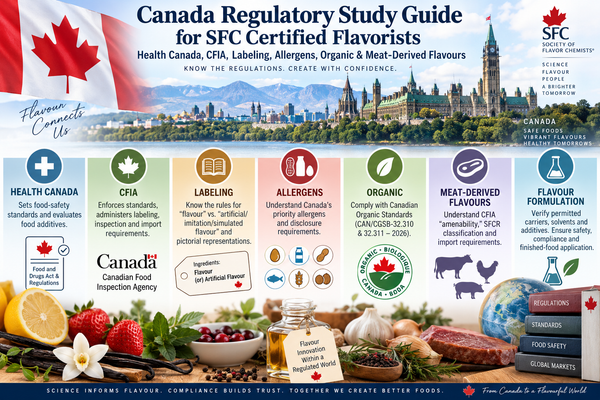
Canada Regulatory Study Guide for SFC Certified Flavorists: Health Canada, CFIA, Labeling, Allergens, Organic & Meat-Derived Flavours
Regulations

Canada Regulatory Study Guide for SFC Certified Flavorists: Health Canada, CFIA, Labeling, Allergens, Organic & Meat-Derived Flavours

According to the January 2026 Society of Flavor Chemists (SFC) syllabus, a candidate is expected to have a basic understanding of the scope and relevance of Health Canada and the Canadian Food Inspection Agency (CFIA). The syllabus separately identifies four Canadian topics that matter directly to formulation: Canadian Organic Standards,
15 min read
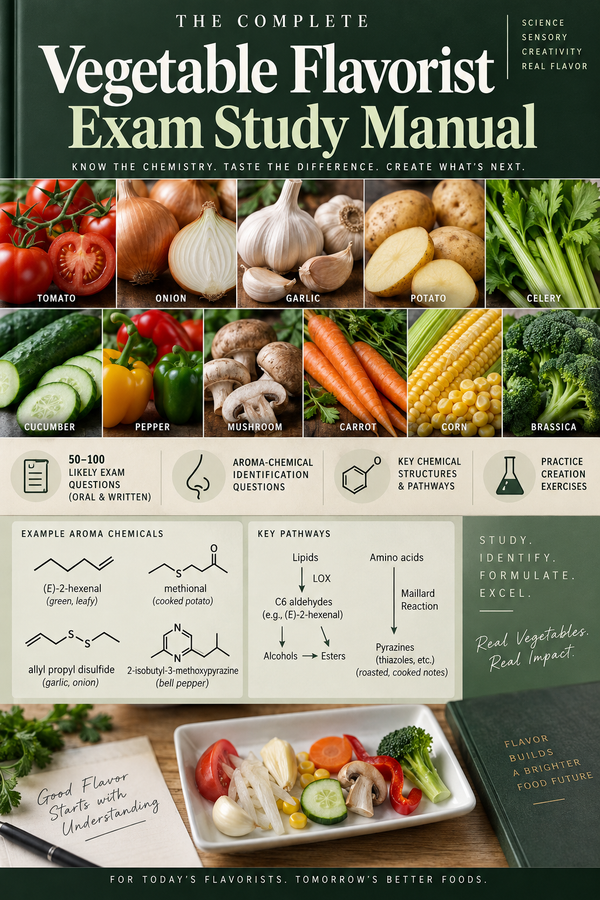
Vegetable Flavor Creation — Certified Flavorist Study Guide
Members only
Training

Vegetable Flavor Creation — Certified Flavorist Study Guide

The Society of Flavor Chemists’ current syllabus explicitly lists Vegetable under Flavor Creation and says Certified candidates should demonstrate broad/deep knowledge consistent with successful independent and original flavor creation. The syllabus also expects candidates to connect creation to raw materials, chemistry, analytical methods, production, application, stability, regulations, and economics—
47 min read
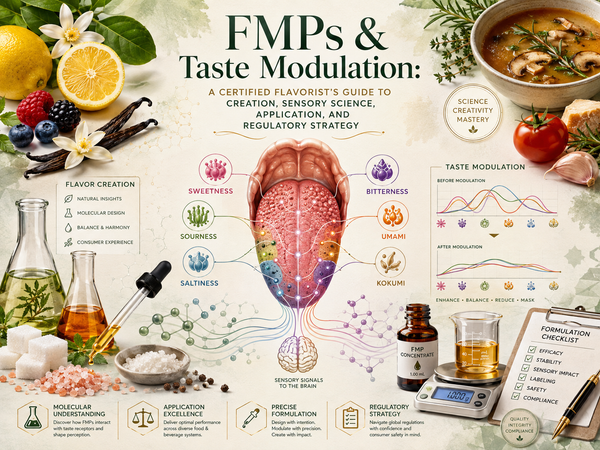
FMPs & Taste Modulation: A Certified Flavorist’s Guide to Creation, Sensory Science, Application, and Regulatory Strategy
Training

FMPs & Taste Modulation: A Certified Flavorist’s Guide to Creation, Sensory Science, Application, and Regulatory Strategy

FMPs / Taste Modulation is explicitly listed in the Society of Flavor Chemists syllabus under Flavor Creation, and Certified candidates are expected to demonstrate broad, deep knowledge together with successful independent/original flavor-creation ability—not merely recognize definitions. (Flavor Chemists) What follows is the knowledge framework I would expect a
22 min read
Sensates in Flavor Creation: A Certified Flavorist’s Guide to Chemesthesis, Formulation, Sensory Design, and Application
Training

Sensates in Flavor Creation: A Certified Flavorist’s Guide to Chemesthesis, Formulation, Sensory Design, and Application

The Society of Flavor Chemists explicitly lists “Sensates” as one of the flavor types candidates should be prepared to explain creating and developing. For Certified membership, the SFC expects broad and deep working knowledge demonstrating successful independent and original flavor creation, including raw materials, laboratory practice, production, regulatory considerations, and
27 min read
Codex Alimentarius (CA) and the Flavor Industry, What Flavorists Need to Know, according to the Society of Flavor Chemists
Training

Codex Alimentarius (CA) and the Flavor Industry, What Flavorists Need to Know, according to the Society of Flavor Chemists

What an SFC flavorist needs to know The Society of Flavor Chemists January 2026 syllabus places Codex Alimentarius (CA) under “International Organizations and Standards” and says candidates are expected to know its basic scope of work. But Codex also intersects with several other SFC syllabus subjects: international flavor regulations, natural
13 min read
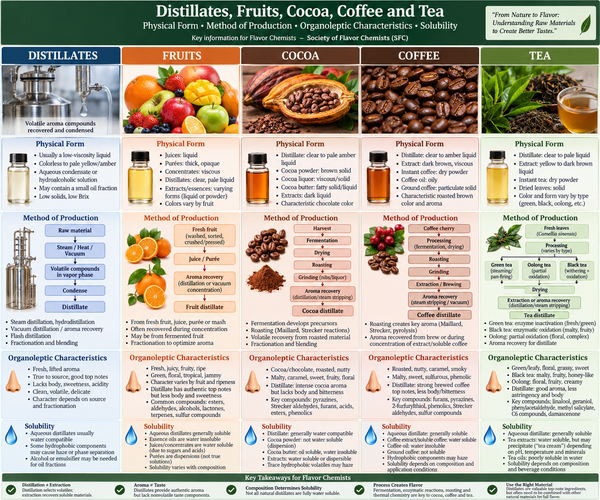
Extracts for Flavorists: Physical Form, Production Methods, Organoleptic Characteristics, and Solubility
Training

Extracts for Flavorists: Physical Form, Production Methods, Organoleptic Characteristics, and Solubility

The January 2026 Society of Flavor Chemists syllabus specifically expects candidates to be able to explain the physical form, method of production, organoleptic characteristics, and solubility of “Extracts: Fluid & Solid Extracts, Tinctures, CO₂.” (Flavor Chemists) A useful flavorist-level treatment is below. One important qualification: “fluid extract,” “solid extract,
7 min read
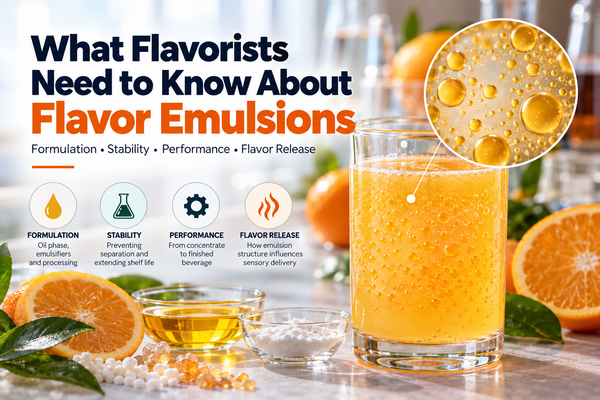
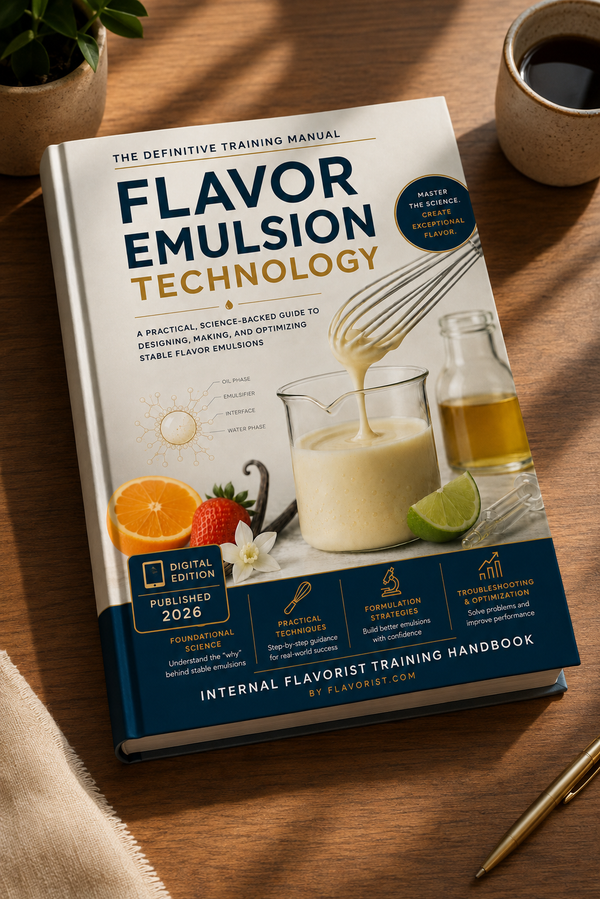
Flavor Emulsion Technology: A Comprehensive Training Manual for Flavorists, Food Scientists, and Product Developers
Training

Flavor Emulsion Technology: A Comprehensive Training Manual for Flavorists, Food Scientists, and Product Developers

Flavor Emulsion Technology is a comprehensive professional training reference devoted to the science, formulation, processing, stability, analysis, and practical application of flavor and food emulsions. Designed to take readers from foundational principles through advanced troubleshooting and real-world application, this book brings together the scientific knowledge and practical reasoning required
4 min read